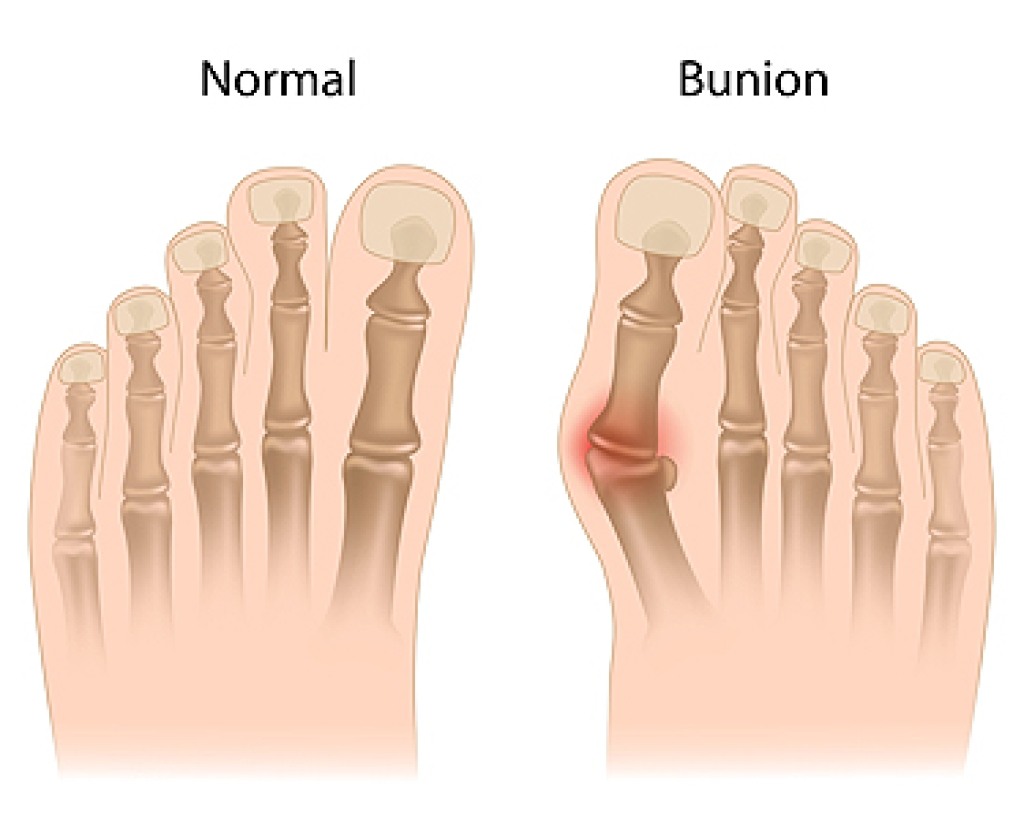
Reasons for Having Bunion Surgery

A bunion can lead to steady pain at the base of the big toe, especially when the bump grows larger as the toe shifts toward the second toe. When wider shoes or protective pads no longer reduce discomfort, surgery to correct the deformity may be considered. Reasons for choosing bunion surgery include pain that interferes with daily movement, difficulty walking more than short distances, or swelling around the big toe joint that does not improve with rest. Some people also struggle to bend or straighten the toe because the joint becomes too stiff. Surgery helps realign the bones of the big toe and reduce the bony prominence so the foot can function more comfortably. A podiatrist can assess the size and severity of the bunion and recommend the best plan for relief. If you have a painful bunion, it is suggested that you make an appointment with a podiatrist for a diagnosis and treatment.

If you are suffering from bunions, contact Mital Patel, DPM of South Shore Podiatry. Our doctor can provide the care you need to keep you pain-free and on your feet.

What Is a Bunion?

A bunion is formed of swollen tissue or an enlargement of boney growth, usually located at the base joint of the toe that connects to the foot. The swelling occurs due to the bones in the big toe shifting inward, which impacts the other toes of the foot. This causes the area around the base of the big toe to become inflamed and painful.

Why Do Bunions Form?

Genetics – Susceptibility to bunions are often hereditary

Stress on the feet – Poorly fitted and uncomfortable footwear that places stress on feet, such as heels, can worsen existing bunions

How Are Bunions Diagnosed?

Podiatrists often perform two tests – blood tests and x-rays – when trying to diagnose bunions, especially in the early stages of development. Blood tests help determine if the foot pain is being caused by something else, such as arthritis, while x-rays provide a clear picture of your bone structure to your provider.

How Are Bunions Treated?

  • Refrain from wearing heels or similar shoes that cause discomfort
  • Select wider shoes that can provide more comfort and reduce pain
  • Anti-inflammatory and pain management drugs
  • Orthotics or foot inserts
  • Surgery

If you have any questions, please feel free to contact our office located in Massapequa, NY . We offer the newest diagnostic and treatment technologies for all your foot care needs.

Read more about What Are Bunions?

What Is Tarsal Tunnel Syndrome?

Tarsal tunnel syndrome is a condition caused by compression of the tibial nerve as it passes through the narrow space on the inside of the ankle called the tarsal tunnel. This compression can lead to pain, tingling, numbness, or burning sensations in the foot and ankle, often worsening with activity. Causes include repetitive stress, flat feet, ankle injuries, or swelling from medical conditions like diabetes or arthritis. Risk factors include obesity, prolonged standing, and high-impact activities that place pressure on the ankle. A podiatrist can diagnose tarsal tunnel syndrome through a physical examination and imaging tests, develop a treatment plan, suggest supportive footwear, prescribe orthotics, and recommend therapies to relieve pressure and improve function. If you have any of the above symptoms, it is suggested that you consult a podiatrist who can accurately diagnose and treat what might be going on.

Tarsal tunnel syndrome can be very uncomfortable to live with. If you are experiencing tarsal tunnel syndrome, contact Mital Patel, DPM of South Shore Podiatry. Our doctor can provide the care you need to keep you pain-free and on your feet.

Tarsal Tunnel Syndrome

Tarsal tunnel syndrome, which can also be called tibial nerve dysfunction, is an uncommon condition of misfiring peripheral nerves in the foot. The tibial nerve is the peripheral nerve in the leg responsible for sensation and movement of the foot and calf muscles. In tarsal tunnel syndrome, the tibial nerve is damaged, causing problems with movement and feeling in the foot of the affected leg.

Common Cause of Tarsal Tunnel Syndrome

  • Involves pressure or an injury, direct pressure on the tibial nerve for an extended period of time, sometimes caused by other body structures close by or near the knee.
  • Diseases that damage nerves, including diabetes, may cause tarsal tunnel syndrome.
  • At times, tarsal tunnel syndrome can appear without an obvious cause in some cases.

The Effects of Tarsal Tunnel Syndrome

  • Different sensations, an afflicted person may experience pain, tingling, burning or other unusual sensations in the foot of the affected leg.
  • The foot muscles, toes and ankle become weaker, and curling your toes or flexing your foot can become difficult.
  • If condition worsens, infections and ulcers may develop on the foot that is experiencing the syndrome.

A physical exam of the leg can help identify the presence of tarsal tunnel syndrome. Medical tests, such as a nerve biopsy, are also used to diagnose the condition. Patients may receive physical therapy and prescriptive medication. In extreme cases, some may require surgery.

If you have any questions please contact our office located in Massapequa, NY . We offer the newest diagnostic and treatment technologies for all your foot and ankle needs.

Read more about Tarsal Tunnel Syndrome

Workplace Fall Prevention and Foot and Ankle Protection

Preventing falls in the workplace begins with proper safety practices that protect your entire body, including your feet and ankles. Personal protective equipment such as non-slip footwear provides essential traction on slick or uneven surfaces. Fall arrest systems offer added protection when working at heights, while well maintained ladders help reduce the risk of sudden slips. Safe lifting techniques also play a key role by keeping your body aligned and reducing strain on the lower limbs. Despite precautions, foot and ankle injuries can still occur. A podiatrist can evaluate workplace-related injuries, provide treatment, and recommend supportive footwear or orthotics to prevent future issues. If you have sustained a foot or ankle injury while at work, it is suggested that you consult a podiatrist who can offer effective relief tips and additional fall prevention techniques.

Preventing falls among the elderly is very important. If you are older and have fallen or fear that you are prone to falling, consult with Mital Patel, DPM from South Shore Podiatry. Our doctor will assess your condition and provide you with quality advice and care.

Every 11 seconds, an elderly American is being treated in an emergency room for a fall related injury. Falls are the leading cause of head and hip injuries for those 65 and older. Due to decreases in strength, balance, senses, and lack of awareness, elderly persons are very susceptible to falling. Thankfully, there are a number of things older persons can do to prevent falls.

How to Prevent Falls

Some effective methods that older persons can do to prevent falls include:

  • Enrolling in strength and balance exercise program to increase balance and strength
  • Periodically having your sight and hearing checked
  • Discuss any medications you have with a doctor to see if it increases the risk of falling
  • Clearing the house of falling hazards and installing devices like grab bars and railings
  • Utilizing a walker or cane
  • Wearing shoes that provide good support and cushioning
  • Talking to family members about falling and increasing awareness

Falling can be a traumatic and embarrassing experience for elderly persons; this can make them less willing to leave the house, and less willing to talk to someone about their fears of falling. Doing such things, however, will increase the likelihood of tripping or losing one’s balance. Knowing the causes of falling and how to prevent them is the best way to mitigate the risk of serious injury.  

If you have any questions, please feel free to contact our office located in Massapequa, NY . We offer the newest diagnostic and treatment technologies for all your foot care needs.

Read more about Falls Prevention

Challenges of Foot Self-Care in Older Adults

As people age, maintaining proper foot care can become increasingly difficult. Reduced flexibility, limited vision, and decreased strength make tasks such as trimming nails, washing, and inspecting feet challenging. Dry skin, calluses, and foot deformities are more common, and underlying conditions like diabetes or poor circulation increase the risk of complications. These challenges can lead to pain, infections, or mobility issues, if left unaddressed. A podiatrist can provide thorough foot examinations, professional nail care, and personalized treatment plans to prevent problems and maintain comfort. If you are elderly and have foot pain, it is suggested that you consult a podiatrist who can treat various foot conditions, and guide you on effective ways to care for your feet.

Proper foot care is something many older adults forget to consider. If you have any concerns about your feet and ankles, contact Mital Patel, DPM from South Shore Podiatry. Our doctor can provide the care you need to keep you pain-free and on your feet.

The Elderly and Their Feet

As we age we start to notice many changes in our body, but the elder population may not notice them right away. Medical conditions may prevent the elderly to take notice of their foot health right away. Poor vision is a lead contributor to not taking action for the elderly.

Common Conditions 

  • Neuropathy – can reduce feeling in the feet and can hide many life-threatening medical conditions.
  • Reduced flexibility – prevents the ability of proper toenail trimming, and foot cleaning. If left untreated, it may lead to further medical issues.
  • Foot sores – amongst the older population can be serious before they are discovered. Some of the problematic conditions they may face are:
  • Gouging toenails affecting nearby toe
  • Shoes that don’t fit properly
  • Pressure sores
  • Loss of circulation in legs & feet
  • Edema & swelling of feet and ankles

Susceptible Infections

Diabetes and poor circulation can cause general loss of sensitivity over the years, turning a simple cut into a serious issue.

If you have any questions, please feel free to contact our office located in Massapequa, NY . We offer the newest diagnostic and treatment technologies for all your foot care needs.

Read more about Elderly Foot Care