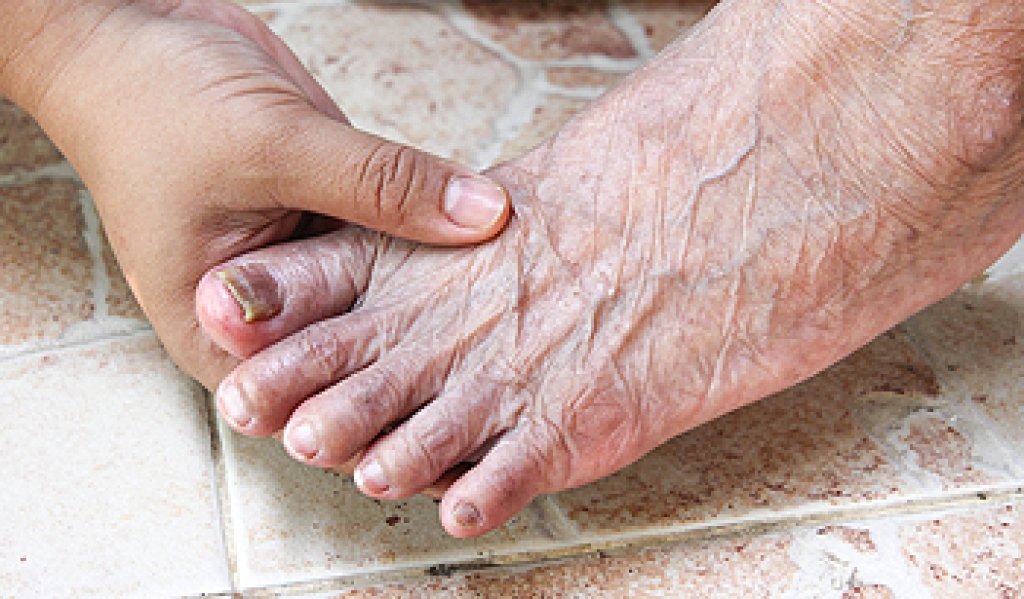
A broken or detached toenail occurs when part or all of the nail separates from the skin beneath it. The damage can cause pain, bleeding, and swelling. Dark discoloration can also develop. A loose nail can catch on socks and shoes, which can tear the skin below. Causes include stubbing the toe, dropping a heavy object on it, or repeated pressure from wearing tight shoes. Fungal infections can weaken and thicken the nail until it cracks or lifts. Skin conditions like psoriasis can affect nail growth and cause separation. A detached toenail can take up to 18 months to grow back.
A podiatrist should examine a damaged nail when there is severe pain, bleeding, or a dark area beneath it. An examination can show how much of the nail remains attached and whether the nail bed is injured. The podiatrist can also check for a broken toe or signs of infection. These signs include redness, warmth, and drainage. Patients with diabetes, poor blood flow, or reduced feeling in the feet should seek prompt care for a toenail injury. Even a small wound can become serious when healing is slow or the injury goes unnoticed.
Treatment depends on the cause and extent of the damage. A podiatrist can smooth sharp edges, trim loose portions, and protect exposed tissue. When blood trapped beneath the nail creates pressure, the podiatrist can drain it through a tiny opening. Testing a nail sample can identify a fungal infection and guide treatment. If the nail is badly damaged or infected, removing part or all of it can help the area heal. The podiatrist can also explain whether the nail is likely to return normally. Follow-up visits allow the doctor to watch for infection and check new nail growth. Well-fitted shoes can reduce pressure on the healing toe and help prevent another injury. If you have problematic toenails, it is suggested that you schedule an appointment with a podiatrist for a diagnosis and appropriate treatment.
Toe pain can disrupt your daily activities. If you have any concerns, contact Mital Patel, DPM of South Shore Podiatry. Our doctor can provide the care you need to keep you pain-free and on your feet.
What Causes Toe Pain?
Most severe toe pain is caused due to a sports injury, trauma from dropping something heavy on the toe, or bumping into something rigid. Other problems can develop over time for various reasons.
Toe pain can be caused by one or more ailments. The most common include:
- Trauma
- Sports injury
- Wearing shoes that are too tight
- Arthritis
- Gout
- Corns and calluses
- Hammertoe
- Bunions
- Blisters
- Ingrown toenails
- Sprains
- Fractures (broken bones)
- Dislocations
When to See a Podiatrist
- Severe pain
- Persistent pain that lasts more than a week
- Signs of infection
- Continued swelling
- Pain that prevents walking
Diagnosis
In many cases the cause of toe pain is obvious, but in others, a podiatrist may want to use more advanced methods to determine the problem. These can range from simple visual inspections and sensation tests to X-rays and MRI scans. Prior medical history, family medical history, and any recent physical traumatic events will all be taken into consideration for a proper diagnosis.
Treatment
Treatments for toe pain and injuries vary and may include shoe inserts, padding, taping, medicines, injections, and in some cases, surgery. If you believe that you have broken a toe, please see a podiatrist as soon as possible.
If you have any questions please contact our office located in Massapequa, NY . We offer the newest diagnostic and treatment technologies for all your foot and ankle needs.